In the realm of sustainable agriculture and horticulture, the health of soil is paramount. Improving soil health involves understanding and leveraging the right materials to enhance soil structure, water retention, and nutrient availability. Two such materials gaining attention are Turface and Akadama. These soil amendments, widely used for their unique properties, provide significant benefits to both gardening enthusiasts and professional landscapers.
Understanding Turface
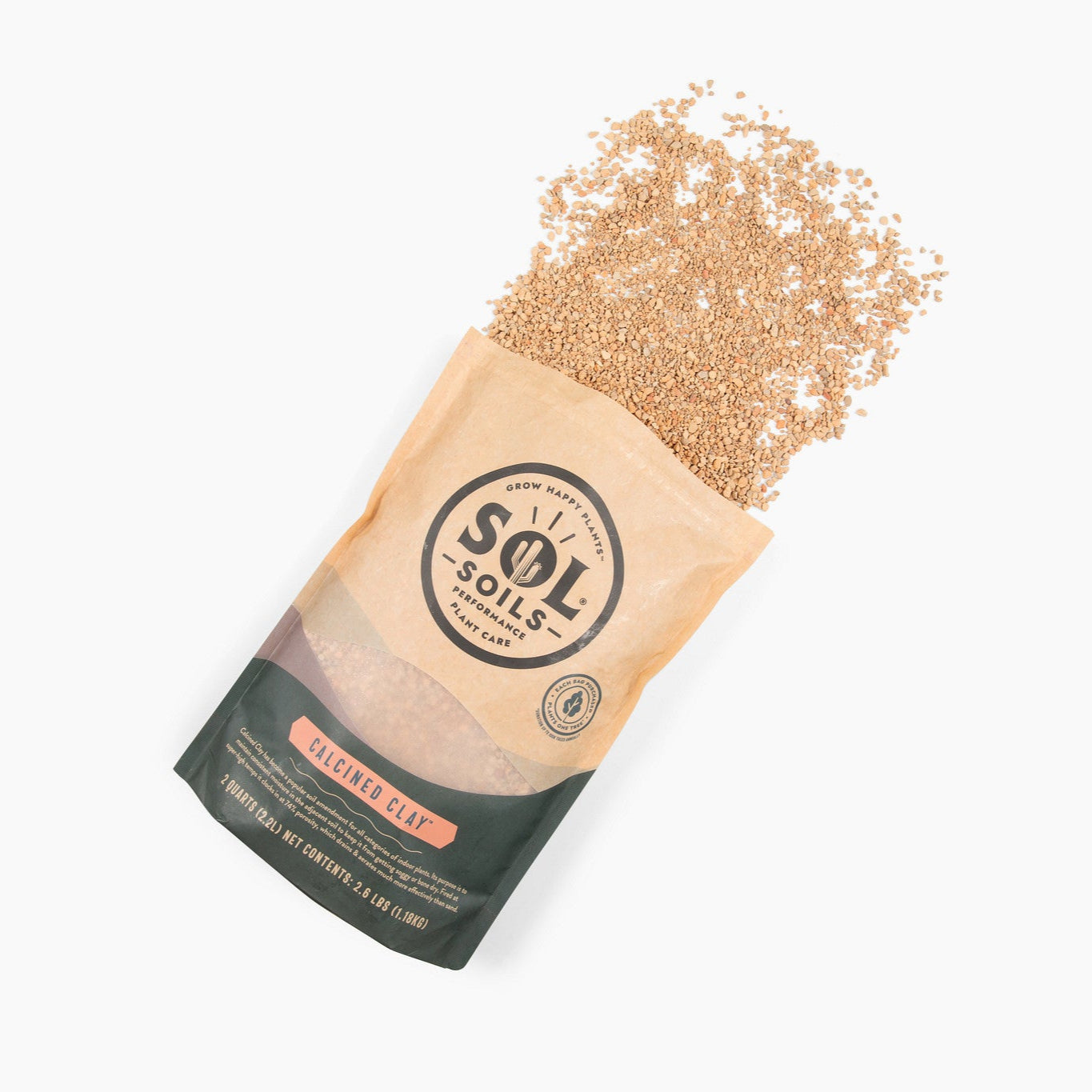
Turface is a calcined clay product known for its ability to improve soil aeration and drainage. It is a popular choice among sports field managers, horticulturists, and landscapers. Turface is appreciated for its ability to retain moisture while preventing soil compaction, making it an essential component in various soil mixes. Discover expert strategies here on how Turface can be effectively used in different soil environments.
Benefits of Using Turface
- Enhanced Aeration: Turface particles create air pockets within the soil, promoting root growth.
- Improved Drainage: It helps prevent waterlogging by improving the soil’s drainage capacity.
- Moisture Retention: Turface holds onto moisture, gradually releasing it to plant roots.
- Durability: Being a calcined product, Turface is highly durable and does not break down easily.
Understanding Akadama
Akadama is a type of volcanic soil originating from Japan, prized in bonsai cultivation and other horticultural practices. This granular clay product is known for its excellent moisture retention and nutrient exchange capacity. Akadama provides a balanced environment for plant roots, essential for optimal plant health. Learn about our tailored solutions to incorporate Akadama into your soil management practices.
Benefits of Using Akadama
- Water Retention: Akadama holds water effectively, reducing the need for frequent watering.
- Soil Structure: It improves the soil’s structure, enhancing root penetration and stability.
- Nutrient Availability: Akadama facilitates nutrient exchange, ensuring plants have access to vital nutrients.
- pH Stability: It helps maintain a stable pH level, crucial for plant health.
Comparing Turface and Akadama
Though both Turface and Akadama offer distinct advantages, their application may vary based on environmental conditions and plant needs. Here’s a quick comparison to guide the choice between them:
- Usage: Turface is commonly used in sports fields and large-scale landscaping, while Akadama is favored for bonsai and ornamental plants.
- Composition: Turface is a calcined clay product, whereas Akadama is a volcanic soil.
- Water Retention: Akadama generally holds more water than Turface, which is better suited for areas needing improved drainage.
- Longevity: Turface is more durable over time, whereas Akadama may break down and require replacement.
Explore advanced guides and tips on choosing the right soil amendment for your specific needs and conditions.
Integrating Turface and Akadama into Soil Management
Integrating these materials into existing soil management practices can significantly enhance soil health and plant growth. Here are some tips for incorporating Turface and Akadama:
- Combination Use: For mixed environments, use a combination of both to balance drainage and moisture retention.
- Layering Technique: Apply in layers to improve soil stratification and root penetration.
- Frequency: Regularly assess the soil condition and adjust the use of these amendments as necessary.
By understanding the unique properties and benefits of Turface and Akadama, gardeners and landscapers can optimize their soil health strategies. Find out more about this approach and how it can be tailored to specific soil and plant requirements.